
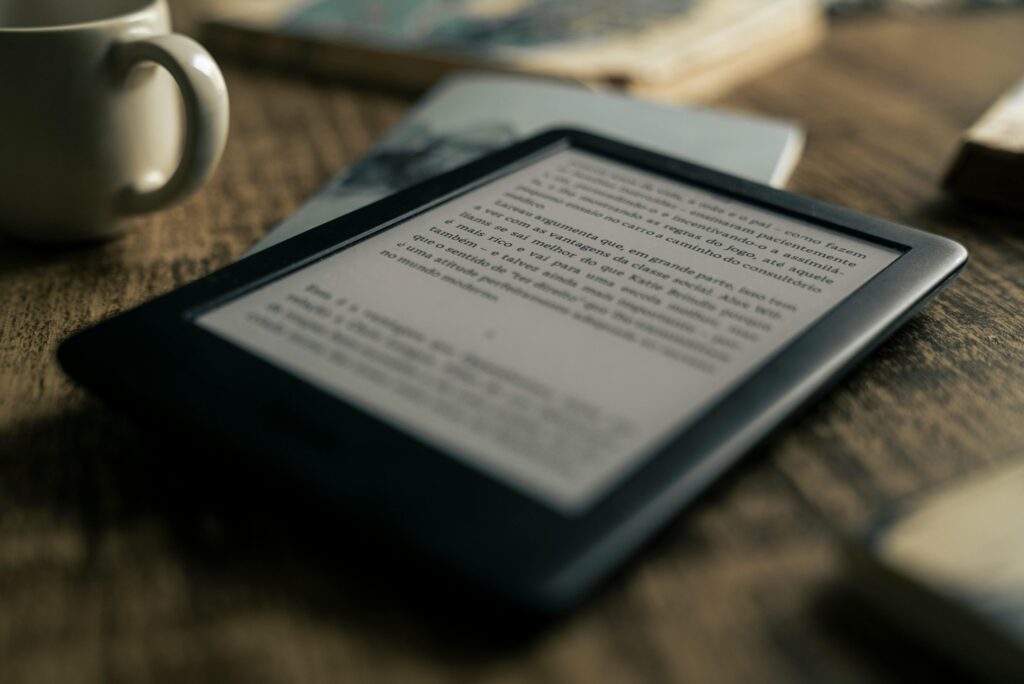
What Are Ebooks?
Ebooks are electronic versions of printed books that can be read on computers, tablets, smartphones, or dedicated e‑readers. They often come in formats such as PDF, EPUB, or MOBI.
Benefits of Ebooks
- Accessibility: Download instantly from anywhere in the world.
- Portability: Carry an entire library in one device.
- Affordability: Often cheaper than printed editions.
- Customization: Adjustable font sizes, background colors, and highlighting features.
- Eco‑friendly: Reduce paper usage and printing costs.
Popular Uses
- Education: Students use ebooks for textbooks and research materials.
- Entertainment: Novels, comics, and magazines are widely available in digital form.
- Self‑publishing: Authors can publish directly to platforms like Kindle or Smashwords.
Challenges of Ebooks
- Screen fatigue: Long reading sessions can strain the eyes.
- Digital rights management (DRM): Restrictions on sharing or copying.
- Device dependency: Requires electronic devices and sometimes internet access.
Future of Ebooks
With advancements in technology, ebooks are becoming more interactive, featuring multimedia elements such as audio, video, and hyperlinks. The integration of AI and personalized recommendations will further enhance the reading experience.
Conclusion
Ebooks are not just a trend but a cornerstone of modern reading culture. They offer convenience, affordability, and innovation, making them an essential part of today’s literary landscape.Introduction
Ebooks have transformed the way we consume literature, academic texts, and entertainment. With the rise of digital platforms, readers now have instant access to thousands of titles at their fingertips.
What Are Ebooks?
Ebooks are electronic versions of printed books that can be read on computers, tablets, smartphones, or dedicated e‑readers. They often come in formats such as PDF, EPUB, or MOBI.
Benefits of Ebooks
- Accessibility: Download instantly from anywhere in the world.
- Portability: Carry an entire library in one device.
- Affordability: Often cheaper than printed editions.
- Customization: Adjustable font sizes, background colors, and highlighting features.
- Eco‑friendly: Reduce paper usage and printing costs.
Popular Uses
- Education: Students use ebooks for textbooks and research materials.
- Entertainment: Novels, comics, and magazines are widely available in digital form.
- Self‑publishing: Authors can publish directly to platforms like Kindle or Smashwords.
Challenges of Ebooks
- Screen fatigue: Long reading sessions can strain the eyes.
- Digital rights management (DRM): Restrictions on sharing or copying.
- Device dependency: Requires electronic devices and sometimes internet access.
Hi, this is a comment.
To get started with moderating, editing, and deleting comments, please visit the Comments screen in the dashboard.
Commenter avatars come from Gravatar.